Put the data your operation already collects to work.

I work with manufacturers, distribution centers, shipyards, terminals and the contractors who serve them. I find where time is lost and fix it, through better processes, AI tools and training.

Request a 30-minute call

Every shift produces two things. One is the work: the parts made, the orders shipped, the vessel repaired. The other is the record of that work: shift reports, timecards, inspection sheets, batch and lot records, change orders, and the paperwork a customer, auditor or regulator reviews later.

Your crews produce the first. Supervisors and office staff assemble the second, often at the end of the shift or after the job closes, by retyping what already exists somewhere else.

Most operations have already gone digital in places: timekeeping, tablets on the floor, an ERP, a shared drive, a WiFi network across the site. Yet the same numbers still get typed in two or three times: on paper at the machine, again into the timeclock, again into the ERP. Entered once, those numbers can fill in the shift report, the payroll check and the job record on their own.
Every sector runs on its own paperwork. These are the records the work runs on in each. The diagnostic shows which ones cost you the most hours.

Pharmaceutical and medical device manufacturing

Batch and device records, deviations and nonconformances, investigations, corrective and preventive actions, change controls, process validation and the release package. My experience is in pharmaceutical manufacturing, where I managed contract manufacturers at Takeda.

Discrete and process manufacturing

Travelers and work orders, inspection sheets and first article inspections, nonconformance reports, scrap and downtime logs, and shift reports.

Shipyards and marine repair

Work orders and spec items, condition reports, change requests, timecards by job code and trade classification, Coast Guard, ABS and customer inspections, and the closeout package.

Bulk liquid terminals

A Declaration of Inspection for every transfer, tank gauging and temperature readings, loss and gain reconciliations, and bills of lading for vessel, barge, rail and truck.

Warehouses and distribution centers

Bills of lading, receiving and OS&D (overage, shortage and damage) reports, cycle counts, labor by shift and the handoff between shifts.

Three ways to engage.

Each is a separate service. Some operations need one, some need all three. The intro call and the diagnostic show which fit yours. The order is always the same: fix the process first, then build a tool where the work still needs one.

Process Improvement

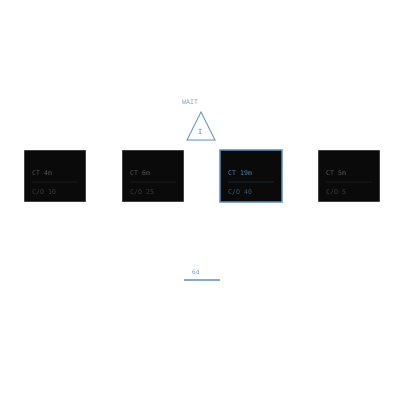
Every engagement starts with research: interviews with the people who do the work, a review of your documents and data, and time on site watching the work run. The result shows where hours go and which fixes are worth making first.

Value stream map with a bottleneck step, a wait triangle and a lead-time ladder

AI Tools & Software

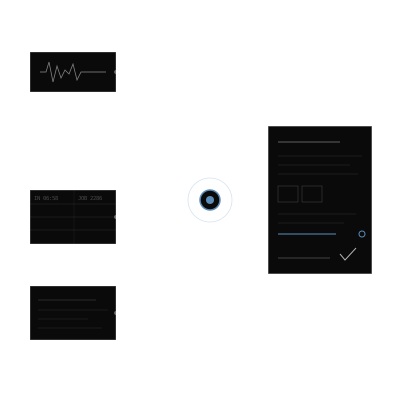
Where software pays, I build tools that run on the data you already collect and cut manual data entry, and I help you choose new software when you need it.

A voice note, photos, a timecard and a job record combining into one draft report

Training & Workforce Planning

New tools and processes hold only when your people know how to use them and the work around them is planned.

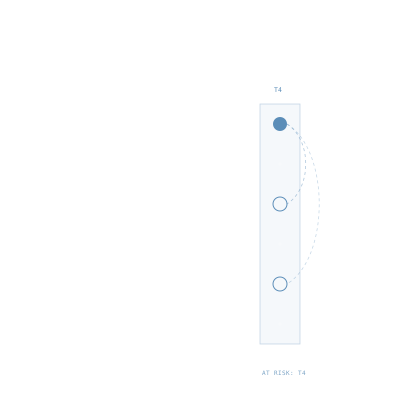
Skills matrix showing a task only one person can teach
  1. Intro call, 30 minutes

    We talk through what you run and where time gets lost. If it makes sense, I then spend half a day on site at no cost and send you a written summary of what I find.

  2. Diagnostic, fixed fee, two to three weeks

    I interview the people who do the work, review your documents and data, and spend time on site. You get a ranked list of fixes, from process changes and training to new tools. The next section lists what it covers and what you keep.

  3. Pilot, six to eight weeks

    I put the top fix in place for one crew, line or dock. Before it starts, we agree on the numbers it has to move, such as hours per shift spent on reports or days to closeout, and I measure them before and after. The diagnostic fee is credited toward the pilot.

  4. Ongoing support

    After a working pilot, I keep tools running, train new staff and take on one new improvement each quarter.

Two to three weeks per site, through interviews, your documents and data, and time on site. I study the five areas together, because each feeds the others: a report gets retyped because two systems sit apart, and a job waits because its record is still open.

Reports and records

Who writes each shift report, timecard, inspection sheet and job record, how long each takes, and how often the same numbers get typed twice.

Handoffs and waiting

Where jobs, orders and lots wait on an approval, a part, a drawing or an answer, and for how long.

Systems and data

What your ERP, timekeeping, shared drives and floor devices already capture, and where the data stops connecting.

Information at the point of work

How long it takes a crew member to find the current drawing, procedure or equipment history.

Skills and knowledge at risk

Which tasks depend on one or two experienced people, and what they know that lives only in their heads.

What you keep

A ranked list of fixes. Each one shows the hours it saves, what it costs, the effort it takes from your people, and whether it needs software at all. The list and the baseline measures are yours to keep, whatever you decide next.

Every change starts small.

One crew, one line, one kind of report. It spreads across the operation after it has earned its place.

The people who use it help build it.

Supervisors, office staff and crews test early versions on real jobs, and their corrections shape the final version. A change is finished when the people doing the work use it without help.

You own everything I build.

Each tool and process comes with plain-language instructions and training for the people who run it, so your team understands it and can keep it running.

I spend time on site.

I'm based in Bayonne, New Jersey, and work on site with operations across New York City, New Jersey and Eastern Pennsylvania.

I come from operations. I started my career in pharmaceutical manufacturing and supply chain management at Takeda, a Japanese drug maker founded in 1781. I managed contract manufacturers for drug product and for packaging and labeling, and worked with distribution centers and contract QC testing labs. I wrote batch records, ran manufacturing investigations and change controls, and worked on two drug launches. In that work, every batch, every hour and every change is documented before product ships.

At Takeda I earned a Lean Six Sigma Green Belt. The training drew on the Japanese methods behind lean manufacturing, including Kaizen, 5S and Kanban. Every process improvement project I worked on started the same way: mapping how the work actually moved before changing anything.

More recently I built 48 AI tools for a software company, Thought Industries, and trained its teams to use them. Each one connects to systems the company already runs and takes on work people had been doing by hand.

My work is new to many of the industries on this page. Documented, regulated production is work I know well, and I learn each operation by talking with the people who run it, reading its records and watching the work.

  • Takeda: manufacturing and supply chain management, including contract manufacturers for drug product and for packaging and labeling, distribution centers and contract QC testing labs
  • Batch records, manufacturing investigations, change controls and two drug launches
  • Lean Six Sigma Green Belt, Takeda, with training in Kaizen, 5S and Kanban
  • 48 AI tools (Claude skills) built and adopted across product, marketing, sales and account management at Thought Industries
  • MS, Strategic Design and Management, Parsons School of Design; BS, Pharmaceutical and Healthcare Business, MCPHS

Do we need new software?

Often you need less than vendors suggest. Many fixes are process changes, and most tools run on the systems you already have, such as your ERP, timekeeping, email and shared drives. When new software is the right answer, I help you choose it.

Do you sell software?

No. I'm a consultant. When new software is the right answer, I write the requirements, compare the options and test the leading choice on a real job, and you buy it directly from the vendor. Every tool I build belongs to you.

How does this work alongside NJMEP or DVIRC?

NJMEP and DVIRC are the Manufacturing Extension Partnership centers for New Jersey and Southeastern Pennsylvania, part of a national network backed by NIST. Through their staff and vetted partners, they cover lean, quality systems and ISO certification, safety, cybersecurity compliance and workforce training. My work sits alongside theirs: AI tools that run on the data you already collect, the reports and records around the work, and planning for how tasks change as new tools arrive. For ISO certification, OSHA training or CMMC readiness, they are the right first call.

Who owns what you build?

You do: the tool, its instructions and its data. Your team can run it without me.

Where does our data go?

We agree during the diagnostic which data each tool reads, where it is stored, and which AI services it uses. Tools run in accounts your company controls.

Do you know our industry?

I know regulated production and documented work from pharmaceutical manufacturing and supply chain management at Takeda. I also know how products get built and adopted. I've worked on product development for software, including AI tools for two software companies, and for consumer products at Pilot44 with PepsiCo, Kimberly-Clark, Nestlé and Whirlpool. That work trained me to scope a tool, test early versions with the people who will use it and keep improving it until they rely on it. I learn the specifics of your operation the same way I start every project: by talking with your people, reading your records and spending time where the work happens.

What does the AI actually do?

It reads the reports, photos, schedules and records you already produce, drafts from them and checks them. A person reviews and approves the result. Part of my work is deciding where AI helps and where a simpler fix does the job.

Tell me what you run and where time gets lost. We'll set up a 30-minute call and decide together whether a visit makes sense.

Request a 30-minute call

brendan@thinkarc.io